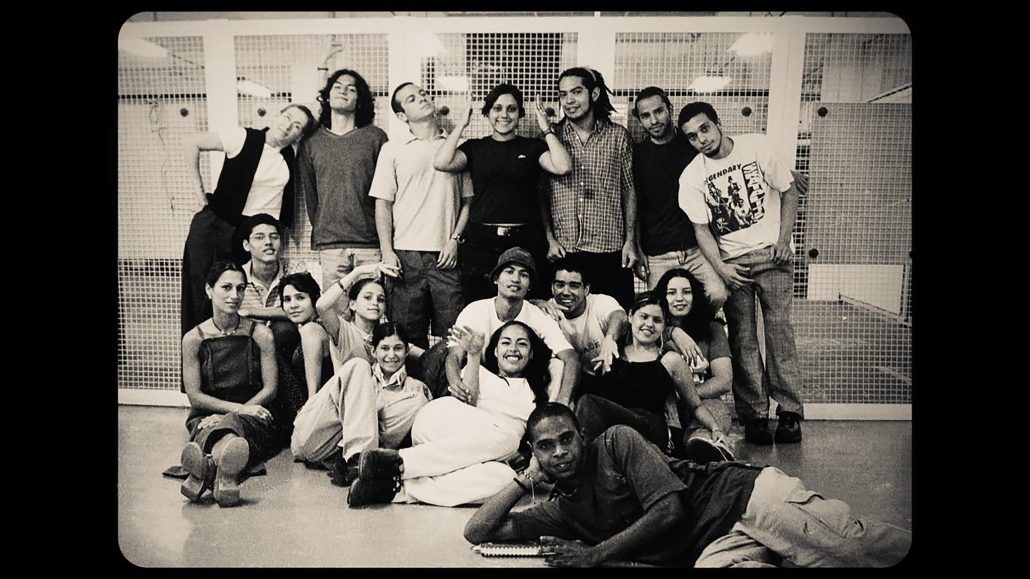
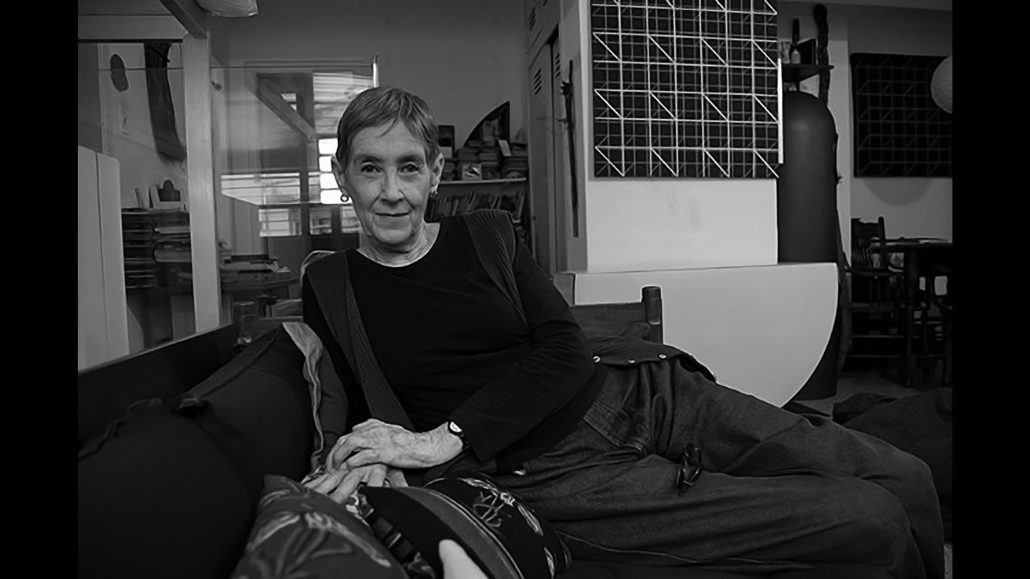
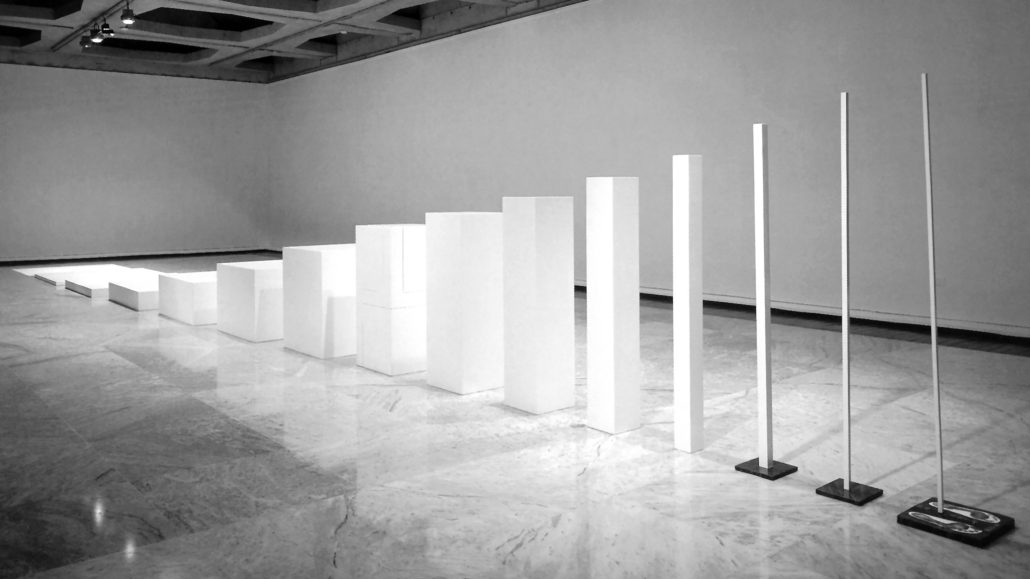
Antonieta sosa (1940–2024) was a pioneer of conceptual art and mixed media in venezuela, where, from 1965 onward, she fostered the development of a visual, performative, and pedagogical post-avant-garde.
Her legacy is fundamental to understanding the interdisciplinary relationship between arts pedagogy and psychology in Latin America.
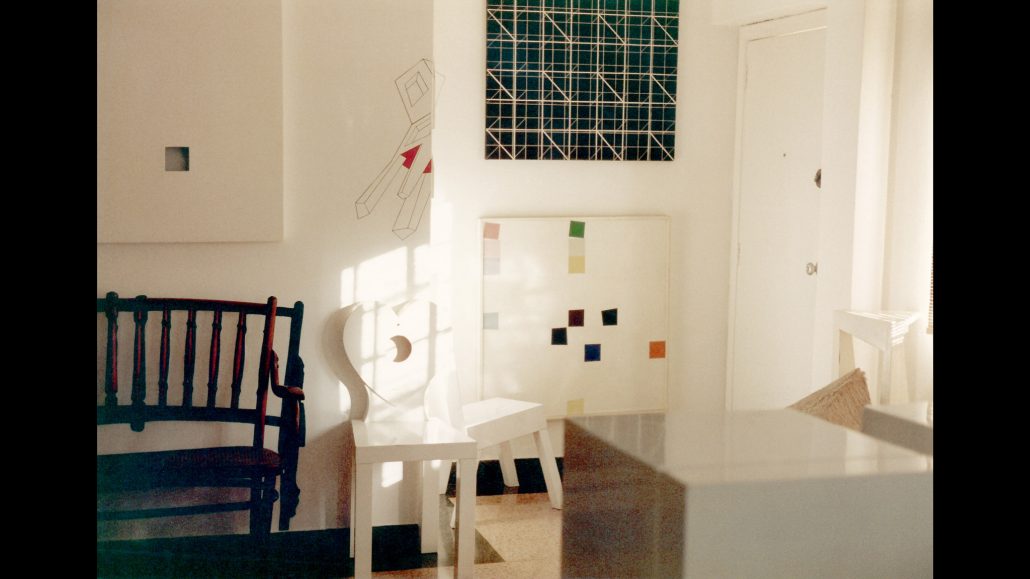
Her practice ranged from drawing and painting to the production of objects,
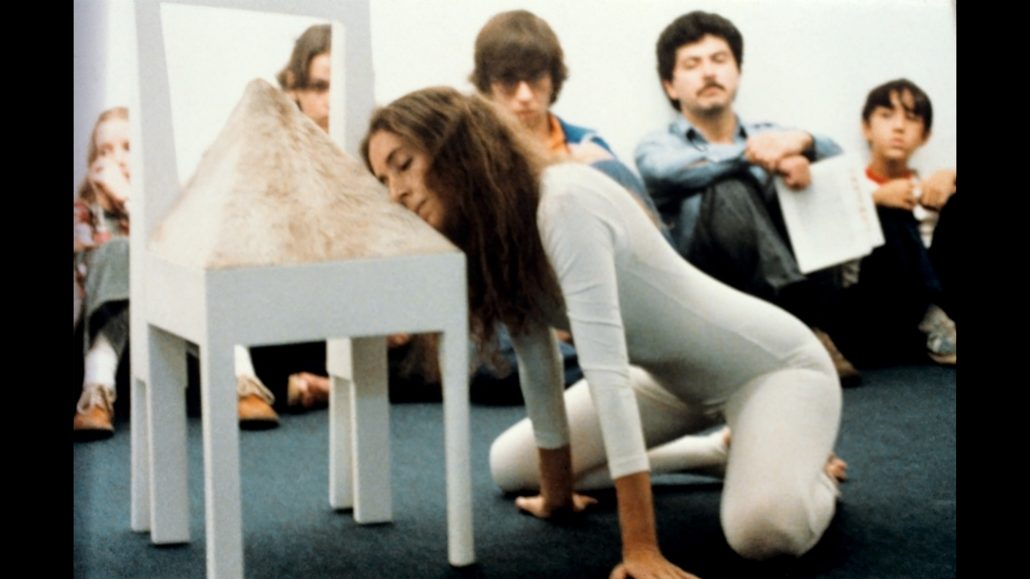
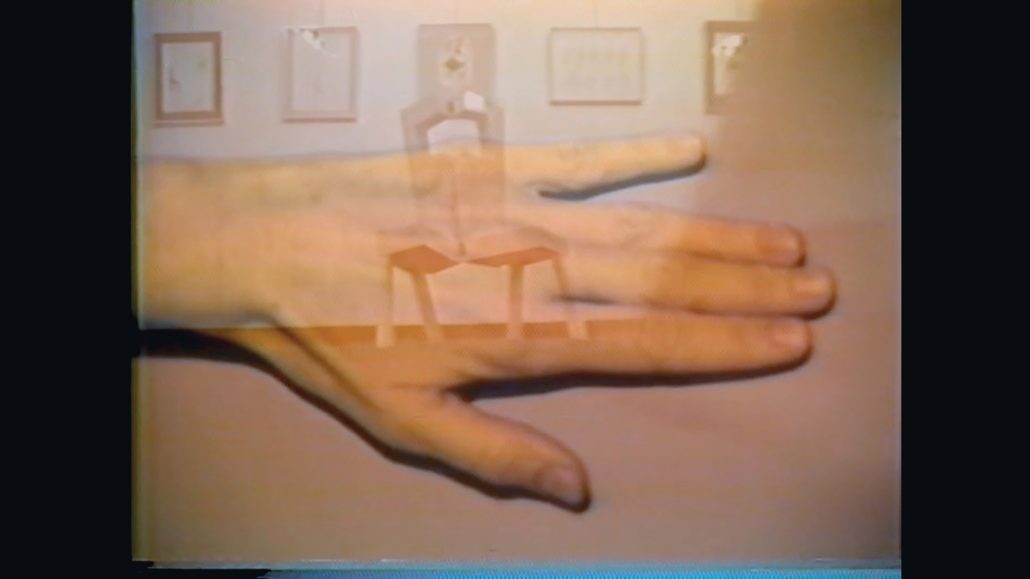
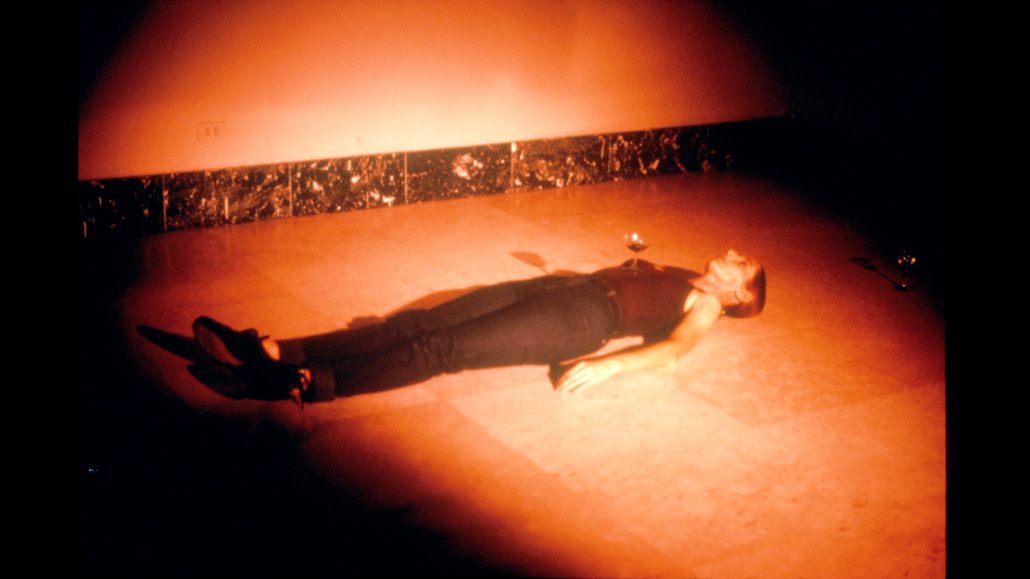
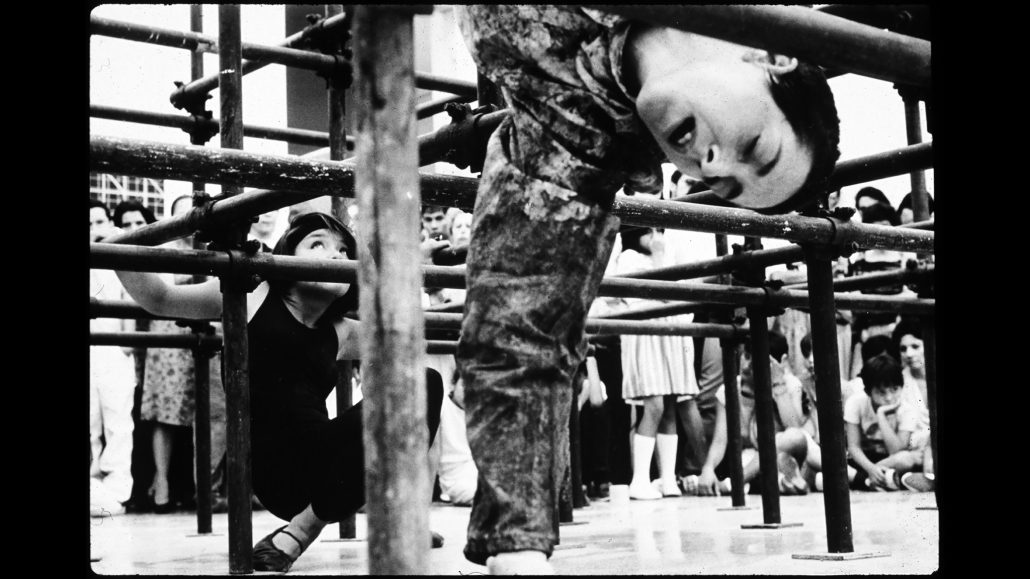
from installations and body-based actions to video art,
both as documentation and as an autonomous work in its own right,
extending to the creation of situations in the urban environment,
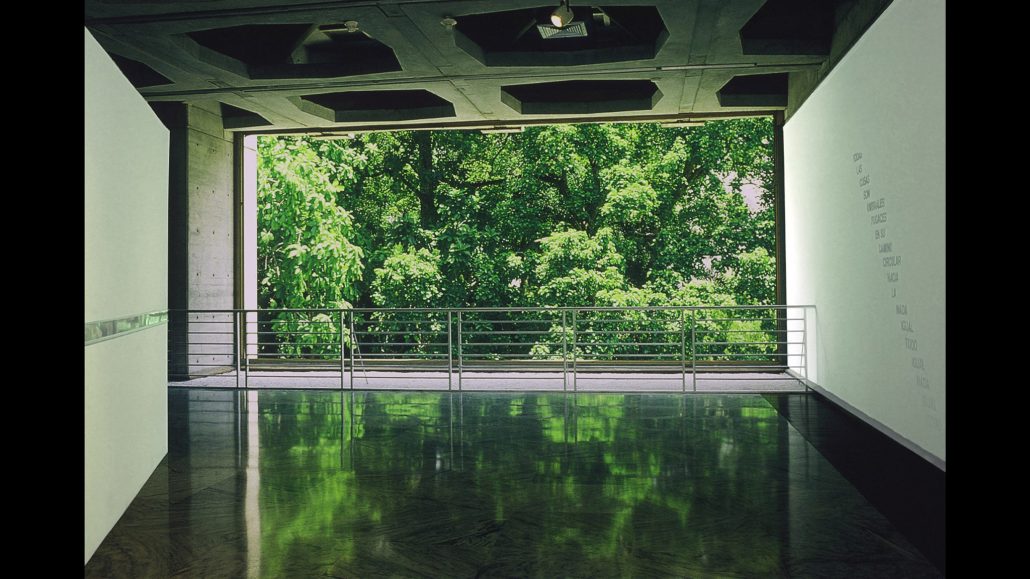
up to interventions on an architectural scale.
Her work and pedagogy are experimental, analytical, and interdisciplinary in character; they engage philosophy, psychology, sociology, anthropology, and architecture, while also manifesting a profound interest in dance and in the human body as a vessel of the spiritual.
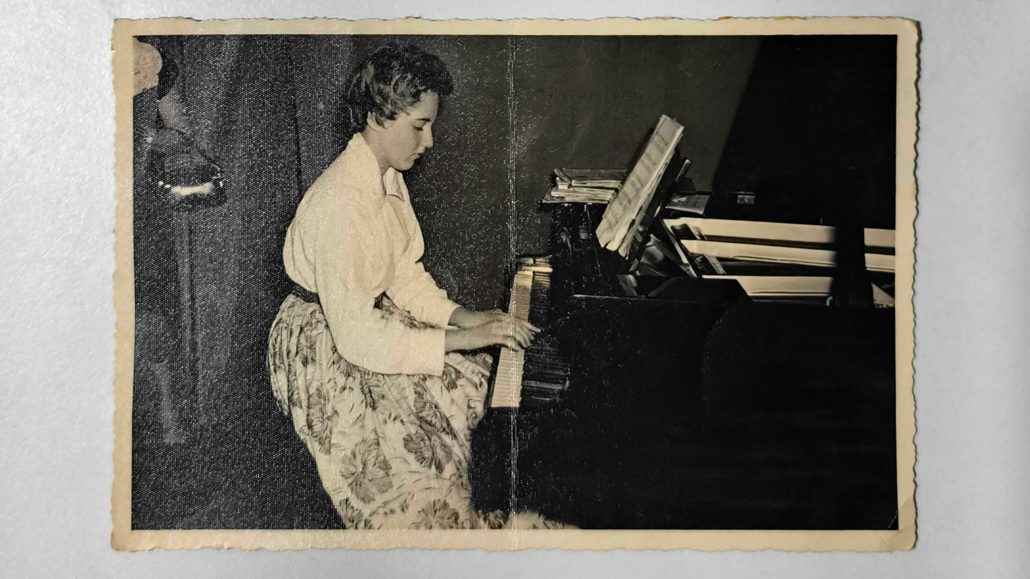
Having grown up and begun her formation in the cosmopolitan Caracas of the mid-twentieth century, and having completed her university studies abroad,
Antonieta Sosa never disregarded her andean roots nor the ancient knowledge of aboriginal peoples.
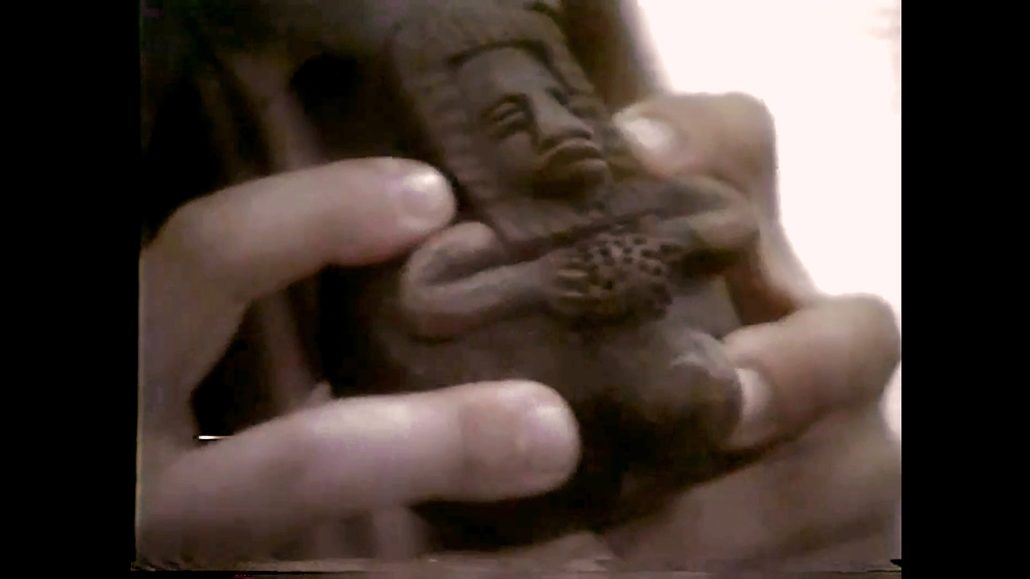
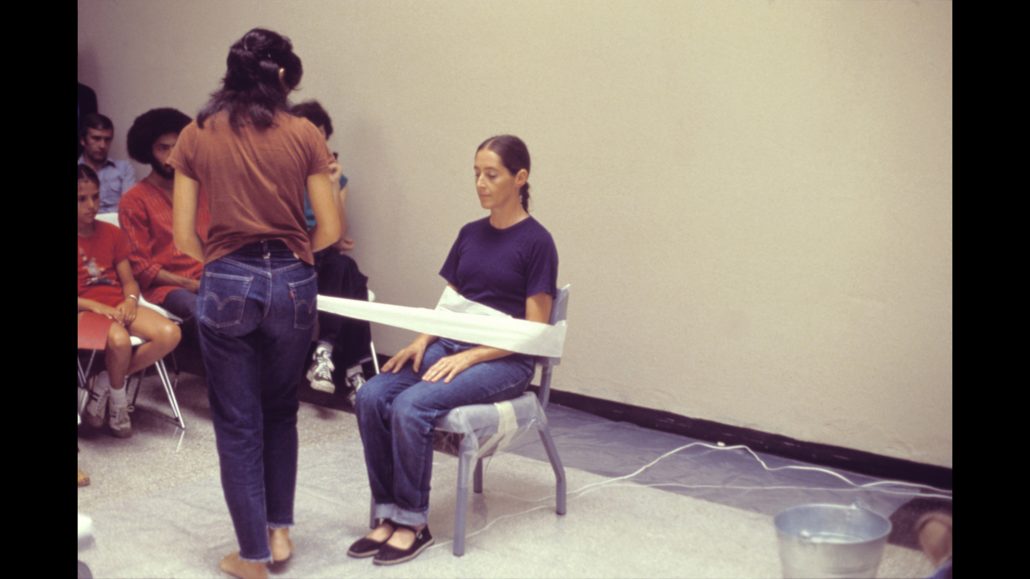
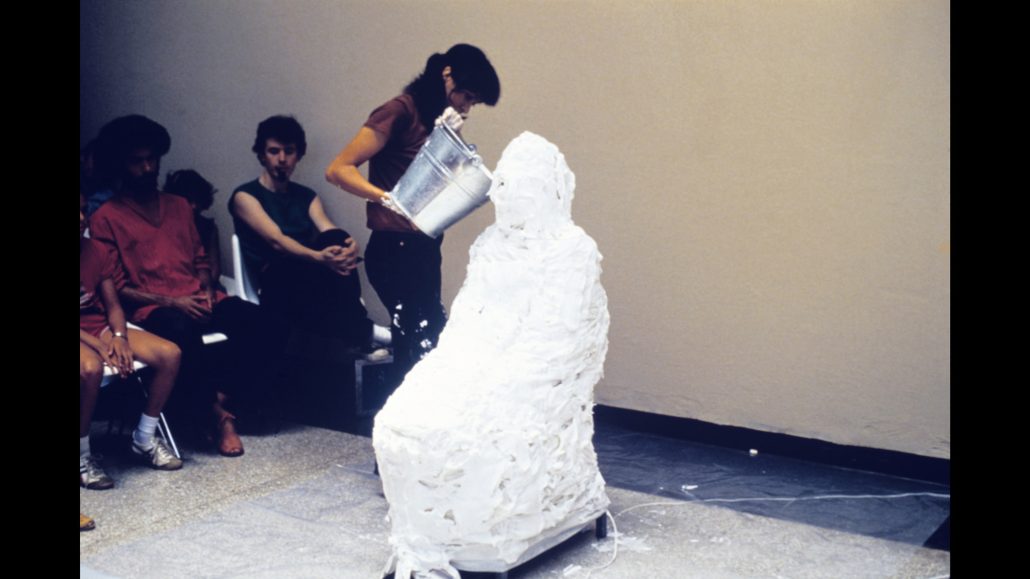
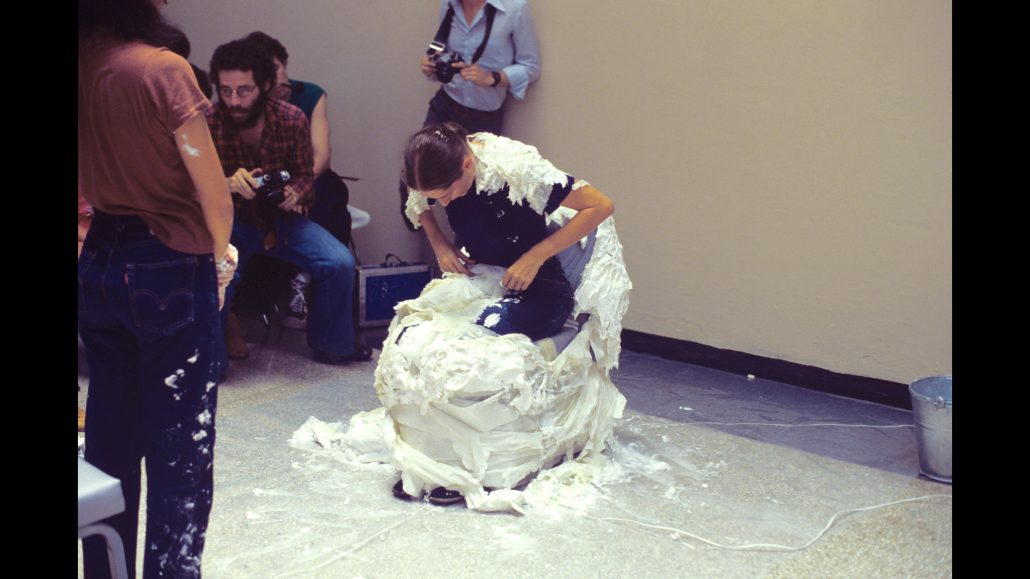
Her work incorporated not only her own body but also collaborators and the public, while also including nonhuman bodies as agents within her body-based actions.
Sosa participated in and promoted local cultural life without losing sight of global phenomena. Deeply inclusive in outlook, she engaged with multiple cultural currents, identifying herself as a humanist and a universalist.
She developed and disseminated her work in and for Venezuela, while also facilitating its international exhibition whenever she considered it appropriate.
Sosa has been understood both as a second-generation conceptual artist and as a post-conceptual one. This is due to the analytical character of her legacy, and
to her marked experimental drive across nearly six decades of continuous work, but especially to her interdisciplinary vocation as a dancer and conceptual artist: in her work, the separation between mind and body existed only in order to be called into question.
Her thematic interest in the body within space and in the individual within the social field is reflected in the anthropomorphic content of her performances, objects, and installations.
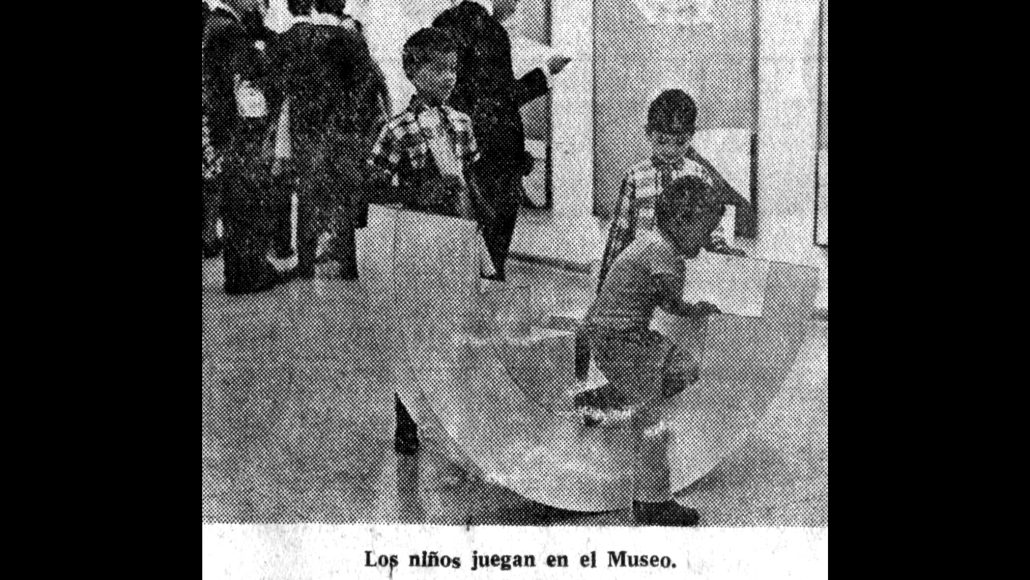
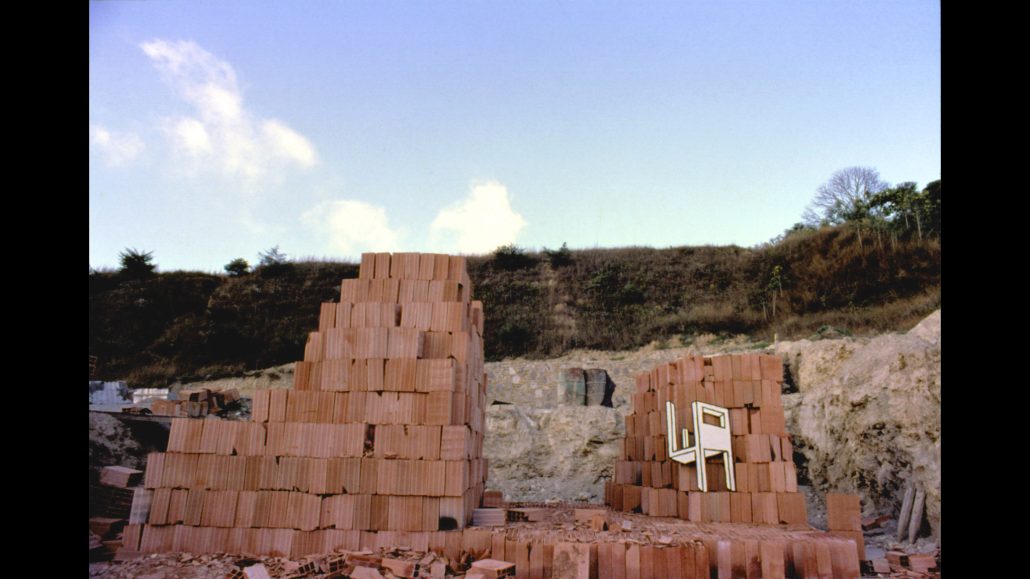
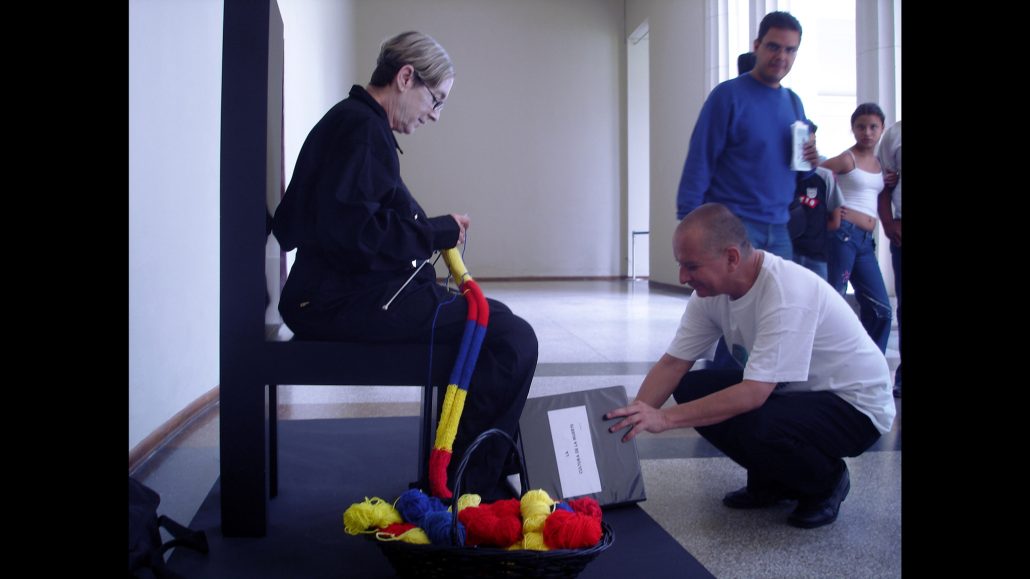
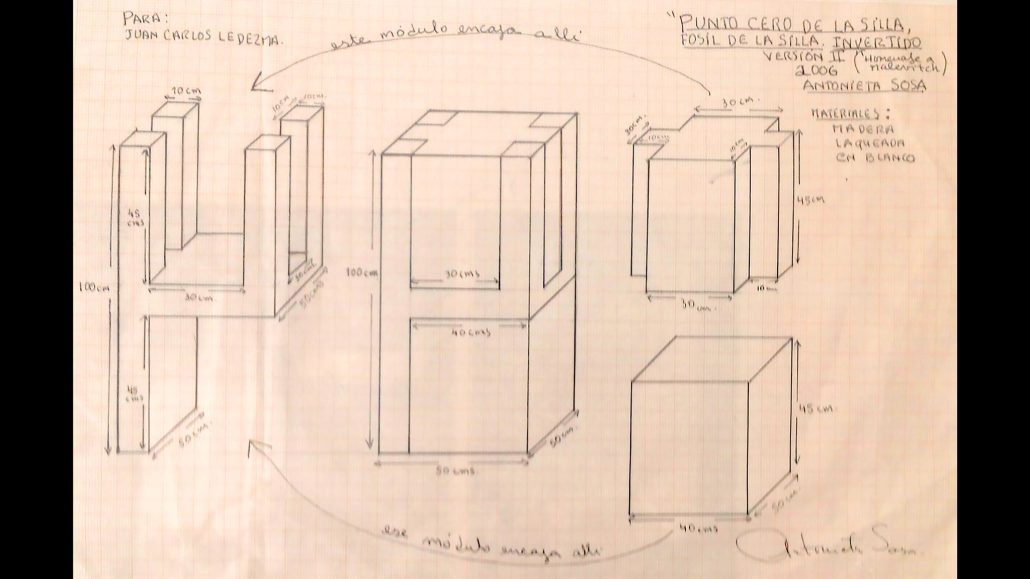
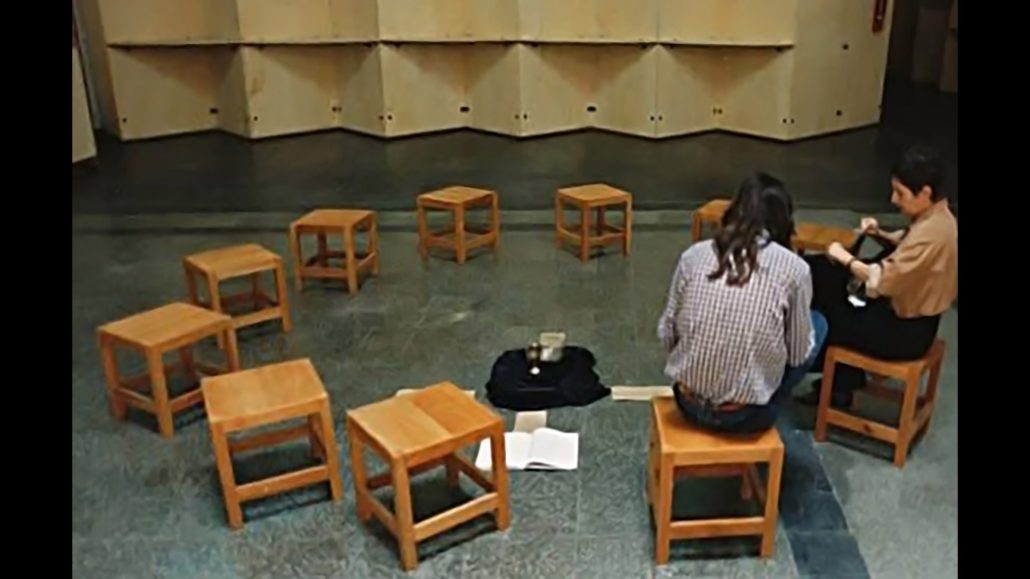
Her pedagogical work extends her commitment to turning everyday life into art, an impulse already evident in her chairs. For this reason, her importance also lies in practicing an experimental pedagogical method that opened the way to notions of:
contexto, genealogía, inclusión, colectividad y materialidad; presentes en su práctica diaria del arte y la pedagogía como activismo, que tuvo influencia integral desde la infancia hasta generaciones de artistas a nivel universitario.
context, genealogy, inclusion, collectivity, materiality. Forged in her everyday artistic practice and developed through her understanding of pedagogy as activism. That method was profoundly influential to certain art professionals from infancy up to university level students for over 40 years.
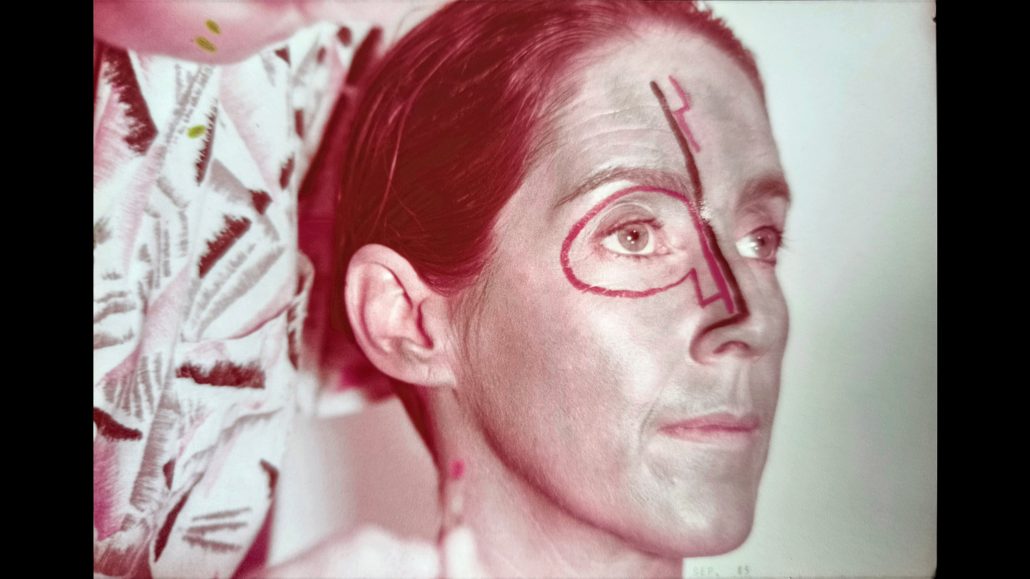
Her death in 2024 leaves behind a vast archive in Caracas, which the collaborators of the estudio antonieta sosa have begun to catalogue with the aim of compiling a catalogue raisonné of her work, and
developing educational programs that activate the lines of inquiry initiated by the artist herself, in order to support new initiatives that advance the artistic and pedagogical field through experimentation.